One day your savings goal looks solid and achievable—the next, oil prices spike past $100 a barrel because of Middle East escalations, and suddenly your monthly surplus feels like it's shrinking faster than ice cream in summer. Brent crude hitting $103+ (with some forecasts eyeing $110–$120 if disruptions drag on) isn't just headline noise; it's quietly inflating energy bills, groceries, transport, and even digital tool costs as vendors pass on expenses. The result? Your automatic savings transfers buy less real value, emergency funds erode, and long-term goals slip further away.
While world powers debate responses, your savings account is the one quietly taking the biggest hit without any say in the matter. But disappearing progress isn't inevitable. With clear re-calibration, smart cuts, income tweaks, and consistent tracking, you can shield your goals and even accelerate them when others are panicking. This post gives you the full playbook: real steps, examples, comparisons, and free tools to stay ahead when everything else feels unpredictable.
How Oil Surges Secretly Undermine Savings Momentum
Every major oil jump adds fuel to inflation—literally. A sustained $10–$20 barrel increase typically pushes overall inflation up 0.2–0.5% globally over months, but for everyday people, the hit feels immediate and personal. Higher fuel means pricier utilities, delivery fees, and transport-heavy goods like food. Vendors raise subscription prices to offset their own costs. What used to be a comfortable $500 monthly surplus might drop to $400–$425 after just a few billing cycles.
Real-world math: If your savings target was $12,000 this year ($1,000/month), a 10–15% cost rise could require $1,100–$1,150 monthly just to break even on purchasing power. Over 12 months, that's $1,200–$1,800 less saved—enough to delay a big goal (emergency fund, debt payoff, investment) by months or force risky cuts elsewhere. Compound that over years, and the damage multiplies. The longer the crisis lingers (and current disruptions show no quick end), the bigger the gap becomes.
Oil goes boom, savings go "oops"—thanks for the reminder that global events love messing with personal plans.
Step-by-Step: Recalibrate Your Savings Goal Without Losing Steam
- Audit Your Current Reality vs. Pre-Crisis Baseline
Pull last 3 months' statements and flag every expense that's climbed: energy bills, groceries, subscriptions, transport. Calculate the average percentage increase (many report 8–18% on utilities/transport). Add a conservative 10–15% buffer for the next 6–12 months—better safe than scrambling later. - Run Precise Scenarios With Updated Numbers
Head to our free Savings Goal Calculator. Input your revised monthly savings amount, desired timeline, and realistic interest rate (high-yield accounts often beat inflation slightly now). Test variations: "What if costs rise another 10%?" or "What if I cut $150/month from non-essentials?" The tool shows the exact gap and how small tweaks close it—no spreadsheet frustration required. - Prioritize Cuts That Don't Hurt Quality of Life
Start with low-hanging fruit: downgrade unused subscriptions (many people discover 3–5 zombie services costing $20–$50/month), switch to energy-efficient habits (lower thermostat, batch cooking), negotiate bills (internet/phone providers often give discounts during renewals). Redirect every saved dollar straight to savings—automate it so you don't "forget." - Boost Income Streams Proactively
Raise freelance/client rates (frame as "reflecting current economic realities"), add quick side tasks (content batches, one-off consulting), or monetize assets (sell digital templates, unused gear). Even $100–$200 extra monthly compounds fast—over a year, that's $1,200–$2,400 toward goals. - Automate, Track Weekly, and Adjust Monthly
Set auto-transfers right after payday (treat savings like a bill). Review progress weekly—small leaks (impulse buys) add up. Monthly check-in: Re-run the calculator with fresh numbers. Consistency turns defense into offense.

Individual protecting savings goal amid rising costs from oil price surge 2026
Building and Strengthening Your Emergency Fund Right Now
In volatile times, aim for 6–12 months of essential expenses (not lifestyle)—3 months feels dangerously thin when disruptions last quarters. Use our Budget Planner Template to map it: categorize must-haves (housing, food, utilities) vs. variables, forecast higher energy/transport, and track monthly progress visually. Store in high-yield savings or short-term options to outpace mild inflation.
Diversify slightly (some in stable currencies or low-risk assets) for extra protection. The goal: peace of mind that lets you focus on growth, not survival.
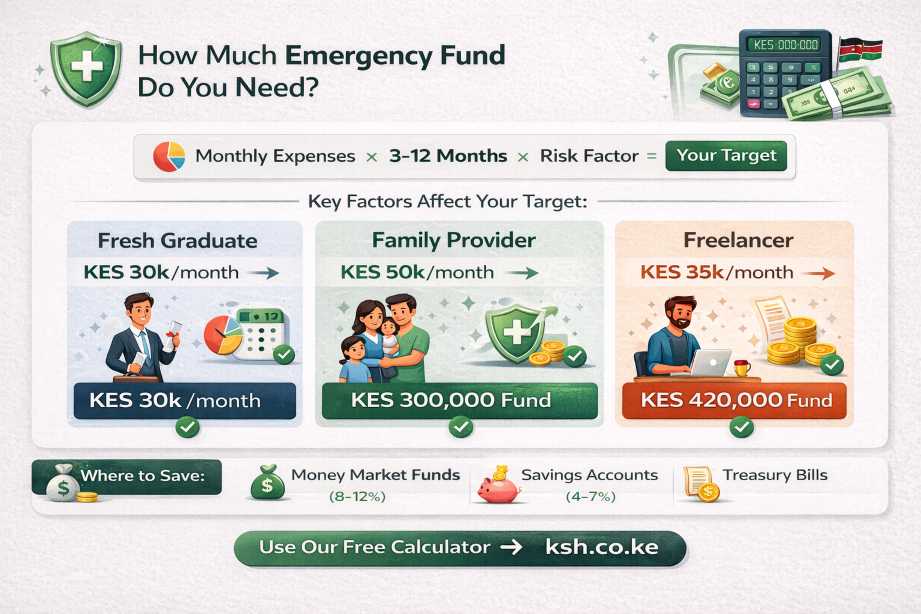
Focused saver using planner to build financial buffer against oil crisis 2026
Tips, Comparisons, and Resources to Maximize Protection
Compare approaches: Aggressive cuts (slash 20–30% spending) work short-term but burn out fast; sustainable income boosts (raise rates 10–15%) last longer. Hybrid wins: cut 10–15% + add $200/month income = steady progress without misery.
- Negotiate everything—bills, insurance, subscriptions often drop with one call.
- Shop smarter—bulk buys, generics, loyalty programs offset inflation.
- Avoid lifestyle creep—even small windfalls go straight to savings.
- High-authority sources: IMF reports on oil-driven inflation, Bloomberg on supply shocks.
More from the site for deeper dives:

ALT: Planner tool safeguarding savings in 2026 oil price crisis
Conclusion: Don't Let Global Chaos Steal Your Financial Future
Oil surges sting, but they don't have to derail your goals. Recalibrate with data, cut strategically, boost income, and track relentlessly—you'll not only protect what you've built but position for stronger growth when stability returns. The key is acting now instead of waiting for headlines to calm down.
Jump in: Run your updated numbers in the free Savings Goal Calculator and grab our Budget Planner Template for visual tracking. What's one small change you're making this week? Drop it in the comments—let's keep each other accountable.